50/50 Raffles Are Here: The Prize That Grows With Every Ticket
Some of the most successful raffles we see never source a single prize. The winner takes a share of ticket sales, the organisation keeps the rest, and the prize does its own marketing: every ticket sold makes it bigger. That’s a 50/50 raffle, and until now, running one on RaffleLink meant improvising. Organisers wrote “50% of the pot!” into a prize description, hand-updated the value as sales came in, and added an asterisk hoping buyers would do the maths.
As of this week, 50/50 raffles are a native raffle type. When you create a raffle, you’ll be asked which kind you’re running: a standard raffle, with prizes you supply, or a 50/50 raffle, where the prize is a share of the cash pot.
Who they work best for
The format rewards organisations with a committed supporter base — a club, a school community, a charity with people who turn out for it. Those supporters buy because it’s you asking, not because they’ve fallen in love with a particular prize, and a 50/50 gives them something to buy without you spending a cent or a weekend sourcing prizes. It also compounds nicely: the more of your community joins in, the bigger the prize gets, which gives the next person a better reason to join in too.
If you’re mainly trying to reach strangers, a headline prize still does more work — a cold audience needs a reason to look. But if your last raffle sold on the strength of your own supporters, a 50/50 removes the hardest part of running the next one.
What you set up
A 50/50 raffle has no prize list to build. Instead of the usual six steps, setup is four, and the heart of it is one screen: Tickets & Prize Splits. You choose a ticket price and a ticket capacity, then decide how the pot divides:
- Your organisation’s share of ticket sales, 50% by default.
- Up to ten prize tiers. A classic 50/50 has one winner taking half, but plenty of organisers prefer a ladder: say 25% for first, 15% for second, 10% for third. Every percentage point is accounted for; the splits must add up to exactly 100%.
- An optional guaranteed minimum per prize. If you promise first prize will be at least $1,000, buyers see that from ticket one, and it gives your opening week a floor. If sales fall short of the guarantee, your organisation tops up the difference, so the checkout surfaces this loudly before you commit.
- An optional cap per prize, if you want winnings to stop growing past a point. Anything above the cap stays with your cause.
What your supporters see
The raffle page leads with the current prize pool, live. It ticks up with every sale, and buyers are told exactly that: the pool keeps growing until sales close. Each prize shows its share and its current value; the confirmation email snapshots the pool at the moment of purchase and reminds the buyer it’s still climbing.
One design decision worth knowing about: the advertised pool is always the amount winners can actually take home, after your organisation’s share and any caps, never the gross takings. And before the first ticket sells, the pool reads $0, not a hopeful placeholder. Supporters are trusting you with the maths; we built the page so the maths can’t oversell.
50/50 raffles also get their own filter in the public raffle directory, where the growing pool shows right on the card.
The rules, checked before you launch
Cash prizes are the most tightly regulated prize type in Australia, and the rules differ by state. The compliance checker sits beside the splits screen and tests your exact setup, at its maximum possible pot, against every state you’re selling into. Where something doesn’t fit, it offers one-click fixes calculated to actually clear the problem: lower the capacity, cap a prize, adjust a split.
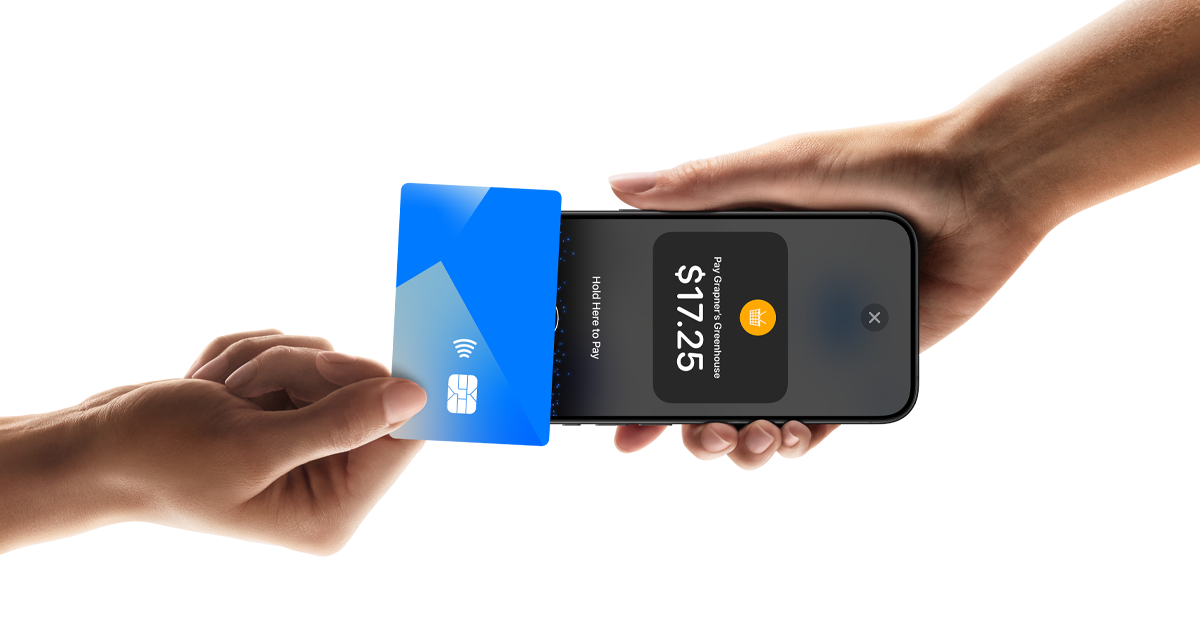
Two limits are worth flagging up front. Victoria doesn’t permit cash prizes in raffles at all, so a 50/50 can’t include VIC (our 50/50 guide covers what Victorian organisations run instead). And because the pot depends on a precise electronic record of sales, 50/50 raffles are digital-only: no paper tickets, and no early bird draws either, since prize values don’t settle until sales close. Your volunteers can still sell in person through the mobile app with Tap to Pay; those sales flow into the pot like any other.
When sales close, each tier’s final value is locked from the real pot, and the draw itself runs through the same certified draw program as every other RaffleLink raffle.
There’s a full walkthrough in the help centre article, and the 50/50 guide covers pricing formulas and state limits in detail. Or just create a raffle and pick 50/50: the defaults will have a working raffle in front of you in a few minutes.