Who it’s for
Product
Compliance
Resources
Fundraising guides, raffle know-how and success stories from the platform that's been powering Australian raffles since 2014.
Sort articles Recently updated Oldest first
39 articles
No articles match — try a different search.
Featured
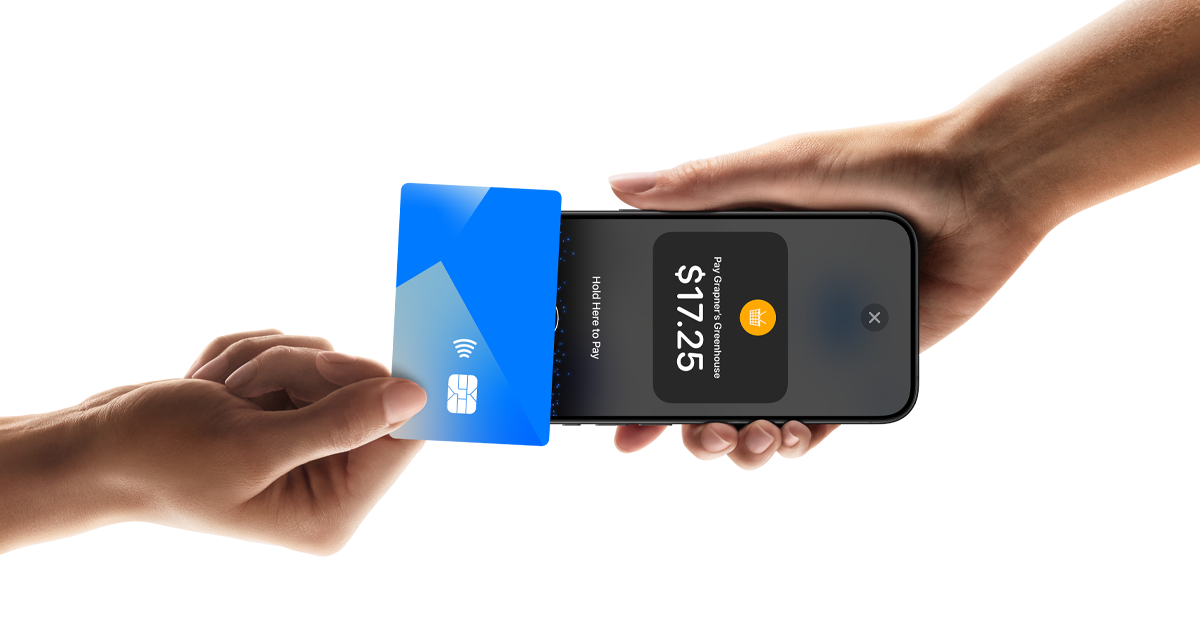
The RaffleLink Ticket Booth app is live on the App Store and Google Play. Take contactless card payments at your event with no card reader, no cash tin and no paperwork — tickets are issued and emailed on the spot.
29 July 2026 Read the guide →
Giant Steps Melbourne sold out its 2026 Ball raffle two weeks before anyone put on a gown — at $50 a ticket, to an audience of just 150 buyers. A case study in pricing for your audience instead of the average.
The Promote page now has a design editor built in. Pick a size and a theme, and your raffle title, prizes, ticket prices, draw date, logo and QR code are already laid out. Edit what you like, then download a print-ready PDF or a PNG for social media.
The VGCCC has lifted Victoria's minor gaming permit threshold from $22,340 to $23,060 in total prize value. What changed, the conditions that still apply beneath it, and the free ten-year declaration that holds up more Victorian raffles than any permit does.
More than 850 raffles on RaffleLink were run by a business, an event committee or an individual for a cause they don't run. What they raise, who runs them, which prizes and tickets work, why a week in the room beats a month online, and how the sign-off works now.
What 1,700 charity and not-for-profit raffles on RaffleLink tell us: what a typical one raises, what raffles of each size look like, and how the prize, the ticket price, the campaign length and the number of states you open change the result.
What 2,100 sporting and community club raffles on RaffleLink tell us: what a typical club raffle raises, which occasions and prizes do best, why the $5 ticket is the club default and its biggest leak, and what the top fifth do differently.
One in ten charity raffles clears $20,000. What those 183 raffles look like: prizes, tickets, buyers, sell-through, length, states, and what to settle before you launch one.
One club raffle in five clears $5,000. What those 435 raffles look like: the boats, bikes, holidays and cash, the $10 ticket, eight weeks, and what to line up with your sponsors before you launch.
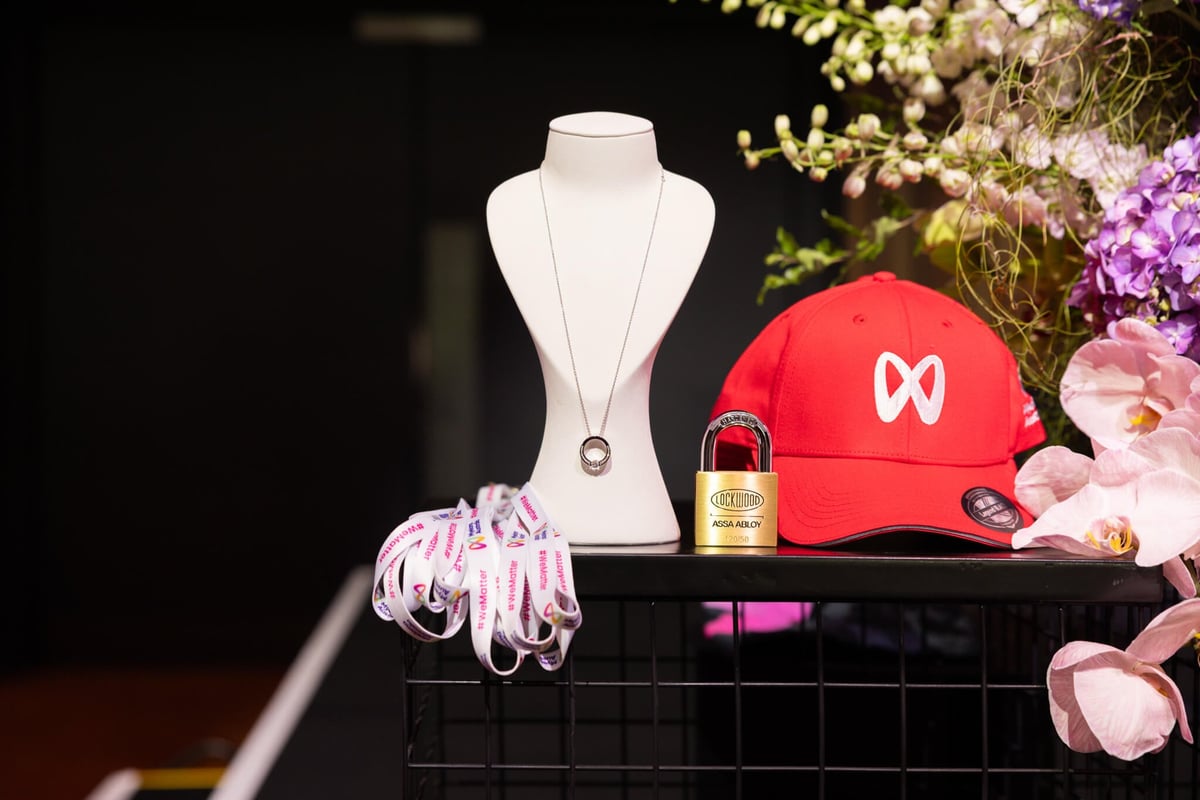
At a gala dinner for MND, volunteers sold $24,750 of raffle tickets by tapping cards on their own phones, while a QR code on the tables sold most of the rest. What one night at The Star teaches about event raffles.

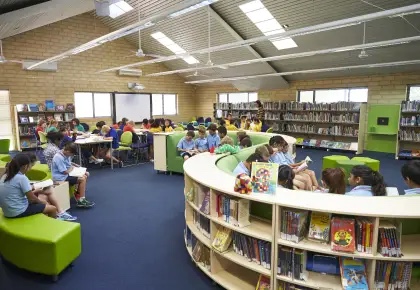
What 4,000 school raffles tell us about Easter, Mother's Day, fete and Christmas raffles: what each typically raises, how long it runs, when schools launch, and the one decision that doubles the result.
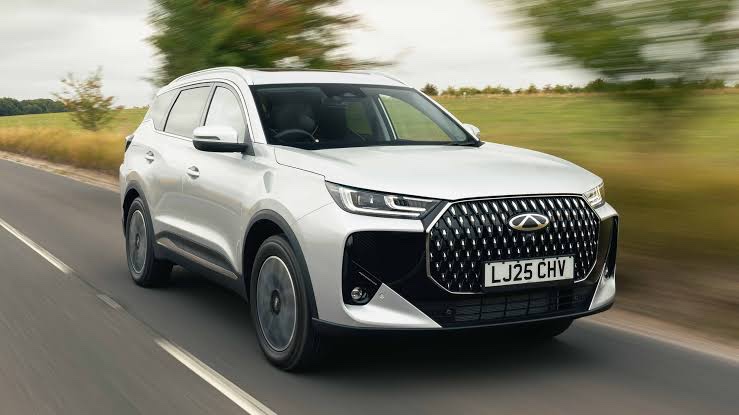
Schools have run 49 car raffles on RaffleLink since 2016. Here is what they gross, how the best are structured, why ticket price matters more than the car, and what a $20,000 car returns in practice.
Queensland's gaming regulator has approved RaffleLink Draw Program v2 for raffles with prizes up to $500,000 and ticket sales up to $1,000,000 — clearing the way for the biggest Category 3 raffles to draw on RaffleLink.
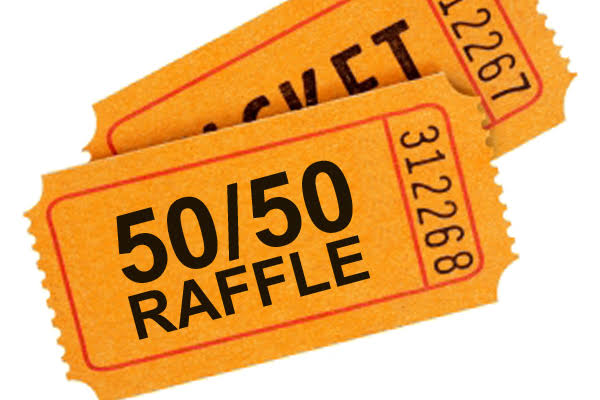
RaffleLink now runs 50/50 cash-pot raffles natively: pick your split, set a guaranteed minimum, and supporters watch the prize pool climb in real time. No prizes to source, store or post.
The Abbey Museum funded its 35th anniversary raffle using the one asset it already owned — the Abbey Medieval Festival itself. A prize-sourcing lesson for any organisation that runs an event.
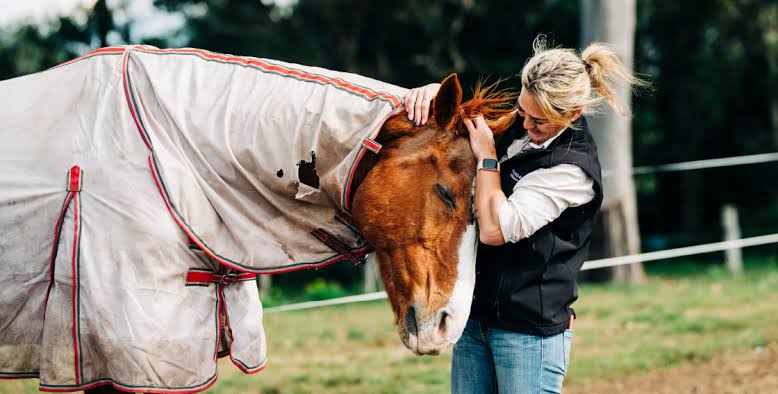
When Save A Horse Australia drew its $10,000 Cash Raffle in August, 57% of the money had come from returning supporters — some of whom had been buying tickets since 2019. This is what a supporter base compounding looks like.
Permits are usually the cost of reaching another state. Queensland is the exception: if your organisation is based elsewhere and Queenslanders can only buy online, Queensland gaming law most likely does not apply to you at all. We asked the regulator — and got it in writing.
PayPal is now a payment option on every RaffleLink raffle checkout. Two months in it carries one in ten online ticket orders — and the supporters choosing it most are exactly who organisers told us they would be.
The Cure Starts Now Australia raised over $9,000 for childhood brain cancer research from a single prize advertised at $2,500 — and two-thirds of it arrived in the final week.
Every other state says no. Queensland lets one person run a raffle for someone who is disadvantaged or hit by a disaster — under a special Category 3 licence. Here is how it works.
How 50/50 raffles work, state-by-state prize limits across Australia, pricing formulas and real results from $9K to $30K+ — everything you need to launch one.
How Australian schools raise up to $24,000 with online raffles — the 4Ps framework of planning, prizes, pricing and promotion, backed by real school results.
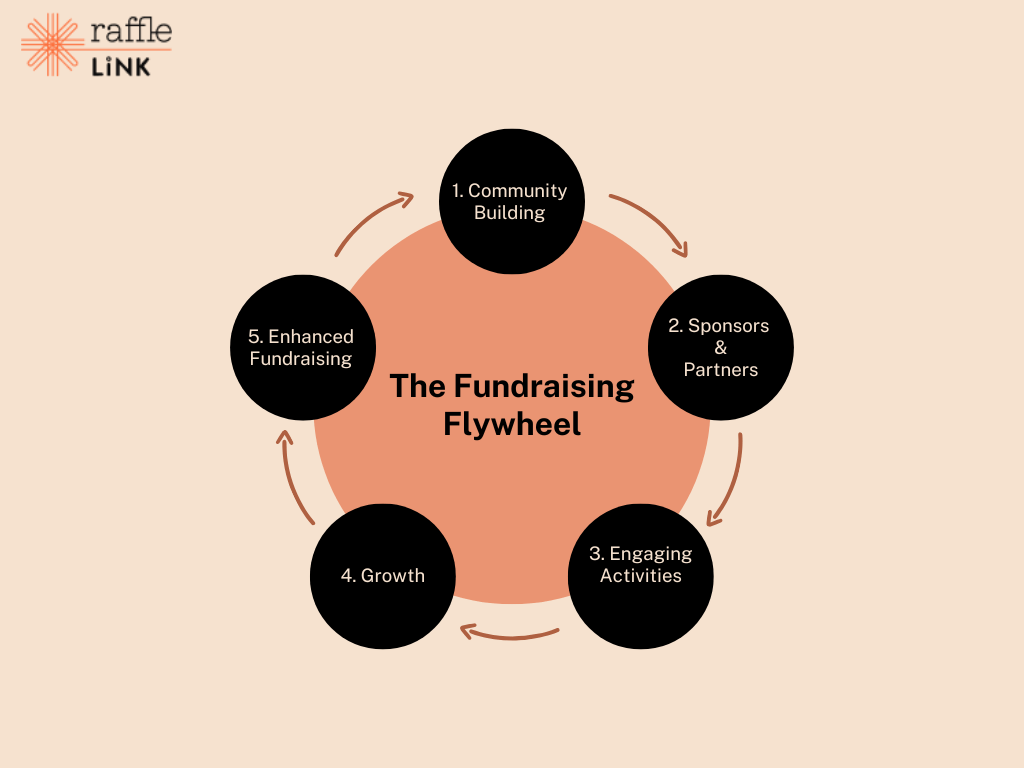
Why raffles beat donor fatigue — the self-reinforcing cycle of community, sponsors and engaging experiences that makes each fundraiser stronger than the last.
From $40K cash raffles to $122K ute draws and zero-cost chocolate hampers — the prize categories and strategies behind real Australian fundraising results.
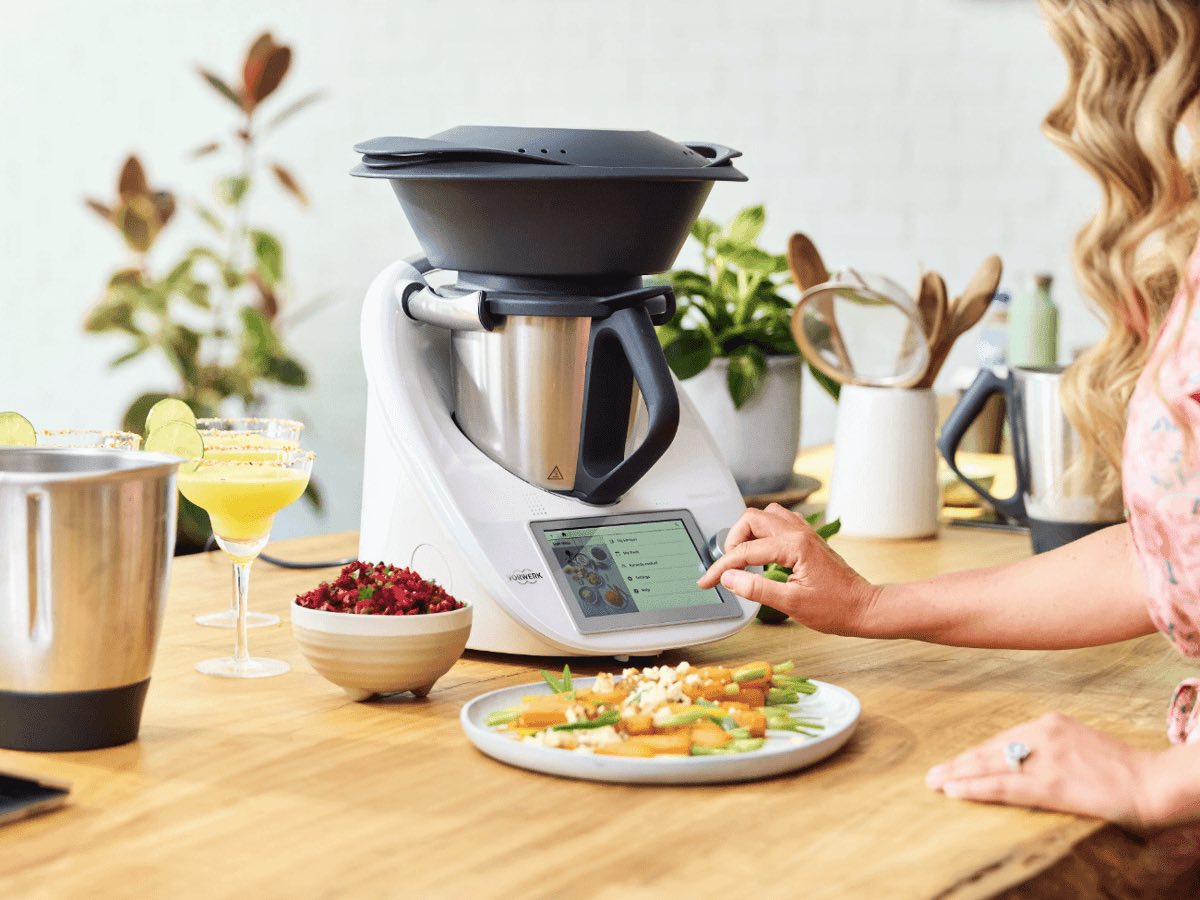
Why Thermomix raffles consistently raise $3,400–$5,000 — no upfront prize cost, minimal permit requirements and proven ticket structures that sell out.
The four most costly online raffle mistakes — promotion, pricing, visuals and timing — and a practical roadmap for sidestepping every one of them.
Combine paper and digital tickets in one fair, regulation-compliant draw — no printing thousands of online tickets, no separate draws, no headaches.
Turn every player, student and volunteer into a ticket seller — how sales attribution and a little friendly competition multiply your raffle results.
Turn live sales data — revenue, buyers and channel breakdowns — into sponsorship pitches and smarter raffles with the RaffleLink sales dashboard.
What a failed $100-a-ticket school raffle teaches about pricing — and the practical rules for landing on a price your community will actually pay.
How an 85-student rural school partnered with a World's-50-Best restaurant to raise $10,000 — and the playbook for landing premium prize sponsors of your own.
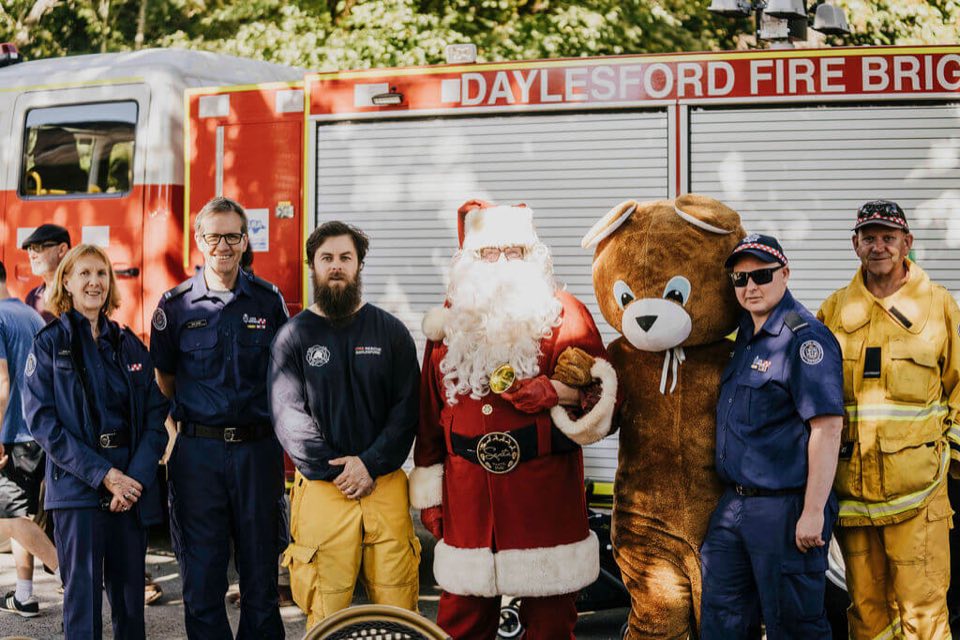
How Daylesford's Cliffy's Emporium and their local CFA brigades turned early bird prizes and weekly prize reveals into a $30,000 Christmas raffle.
Declined prize or unreachable winner? State-by-state holding periods for unclaimed raffle prizes in Australia, plus how the RaffleLink redraw feature works.
How one primary school raised $3,975 in two and a half weeks with donated chocolate — and how to launch your Easter raffle before Term 1 runs out.
A month-by-month guide to when Australians give most — donor-fatigue traps, the EOFY window, and timing for digital campaigns, events and major appeals.
How Chartered Accountants ANZ raised $8,150 for the National Breast Cancer Foundation by taking their High Tea raffle online — pre-event sales and all.
How Myeloma Australia turned a $10,000 diamond pendant into an interactive key challenge — raising nearly $30,000 in two days with a 73% conversion rate.
Seven email tactics that sell raffle tickets — subject lines, storytelling and calls to action, including the campaign that lifted event proceeds by $200,000.
How a smart date change and a systematic reminder campaign lifted Knox Grammar's raffle takings 64% to nearly $27,000 — without expensive prizes.