What School Car Raffles Actually Raise
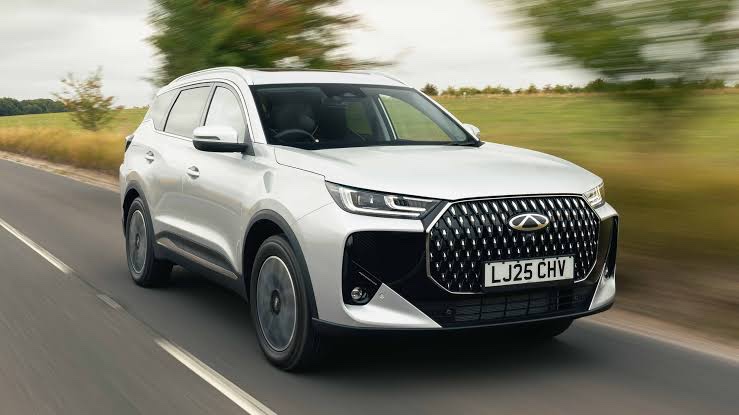
A car raffle is the biggest single fundraiser most schools will ever attempt, and the pitch to a principal or P&C committee usually stalls on the same question: what do these actually make?
We have enough history to answer it. Schools and colleges have run 49 car raffles on RaffleLink since 2016, from state primary P&Cs to some of the largest colleges in Queensland, and 34 of them had completed with sales data when we pulled the numbers. Everything below comes from those raffles.
The headline numbers
| School car raffles | |
|---|---|
| Median gross ticket sales | $39,900 |
| Middle half of results | $32,000–$58,000 |
| Strongest result on the platform | $113,000 |
| Share topping $50,000 | roughly one in three |
| Median number of buyers | 530 |
| Typical campaign, launch to draw | 11 weeks (about one school term) |
| Schools that have run it more than once | 9, some four years running |
For context, the median school raffle of any kind raises about $2,400. A car raffle is a different order of fundraiser: more money, more buyers, a longer sale and, usually, a bigger up-front decision about the prize.
Two ways to structure it, and one clearly wins
Every school car raffle we have seen falls into one of two pricing models.
| Model | Ticket price | Raffles | Median gross | Return on car value | Typical order |
|---|---|---|---|---|---|
| Premium / limited | $50–$150, capped ticket count | 20 | $43,400 | 1.6× | $100 |
| Volume | $5–$20, sold wide | 14 | $34,200 | 1.2× | $41 |
Premium pricing outperforms by about a quarter at the median, with fewer buyers. That is the opposite of most schools’ instinct, and it holds for a reason: parents will buy a $50 or $100 ticket when the odds are visibly short (“only 600 tickets”) and the cause is their own school. A $5 ticket to the same car has to find ten times as many buyers to match it. Several Brisbane colleges now run the premium format year after year, with the same car budget and the same ticket cap each time.
What the strongest results have in common
The car is dealer-supported. Most school car raffles source the car from a local dealership at cost, part-donated, or with signage and naming in exchange. Every dollar of that support goes straight to the surplus line, and the dealer gets a term of exposure to a few thousand families. The most common cars around the $20,000 mark are small hatches and compact SUVs: MG 3, MG ZS, Suzuki Swift.
The draw anchors a school event. The strongest campaigns run for a term and draw live at a fete, fair or gala. The event sells the last third of the tickets, and the draw itself is the occasion.
Online does the heavy lifting; in person tops it up. Tickets sell by link through the parent newsletter and socials. A tap-to-pay booth at the school gate and on event day picks up the rest, all into the same draw.
It becomes an annual fixture. Nine schools have repeated their car raffle; several are on their third or fourth consecutive year. Nothing says a fundraiser earned its keep quite like a committee choosing to do it again.
For a car around $20,000
Eighteen completed school raffles used a car in the $15,000–$30,000 bracket. The median grossed $36,100 (middle half: $31,000–$40,800), about 1.4× the value of the car. The upper quarter returned well over twice the car.
A deliberately conservative worked example, at the median, with the car bought at full retail:
| Gross ticket sales (median for the bracket) | $36,100 |
| Car at full retail | −$20,000 |
| RaffleLink fee, 5.5% of card sales incl. GST | −$1,990 |
| Surplus to the school | ≈$14,100 |
Cash and paper ticket sales carry no fee. At the top-quarter line for the bracket ($40,800+) the surplus passes $18,500 before any dealer support, and a dealer partnership on the car lands directly on that line.
What to settle before tickets go on sale
The operator. The raffle is run by the school’s P&C or P&F, or by the school entity itself as a not-for-profit. Decide early: the tickets, the terms and the bank account sit in that name.
Which licensing lane you are in. Rules vary by state, and the permit checker will tell you in a minute. In Queensland, for example, a school raffle under $50,000 in gross sales runs as a Category 2 art union with no licence; past $50,000 it becomes a Category 3 art union licensed by the OLGR, a routine application for a school association, and one where RaffleLink’s draw program is the approved method of draw. Ambitious car raffles should decide which lane they are aiming for before launch, not after.
The ticket cap. Premium pricing works because the cap is real and visible. Pick the number, publish it, and hold it.
The dealer conversation. Ask before you buy. Most local dealers have a community budget and would rather spend it on 2,000 families than on a billboard.
About the numbers
Car raffles were identified from the first prize across every school and college raffle on RaffleLink since 2016, then checked by hand to remove false matches (bikes, boats, “carat” rings). Figures are per raffle, from completed raffles with paid sales only; medians and quartiles are used throughout so no single school’s result is identified. Australian dollars, gross ticket sales before the car and fees.
The schools page has the rest of the school raffle calendar. If you are weighing up a car raffle for your school, we are happy to talk through the structure on a 15-minute call.